(SPOILERS INCLUDED)
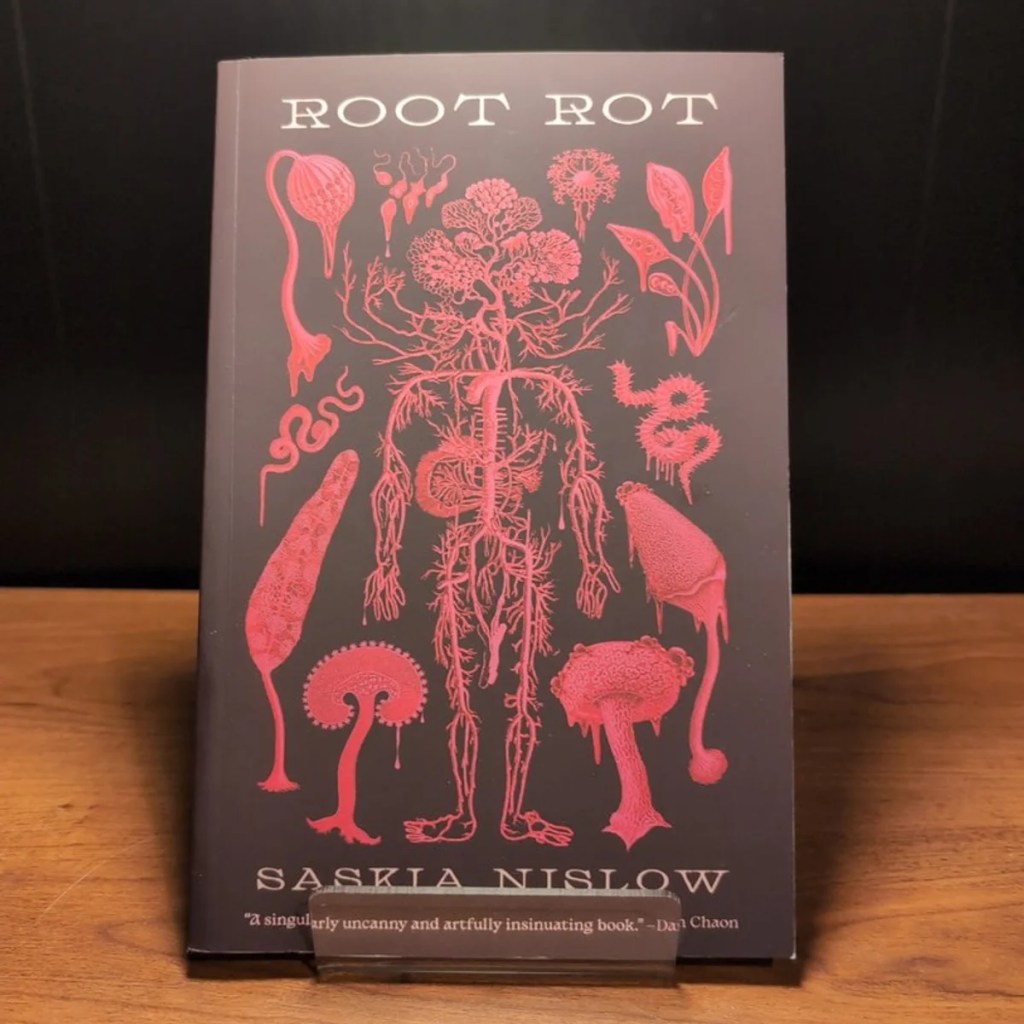
From the title and cover alone, both of which I like, I knew this would be an eccentric novel. I was proven right. This story follows a group of relatives who go on a family trip to their grandfather’s lakehouse, and strange things begin to happen amongst the children. There are nine children specified, although the narrator had me confused much of the time. The narrator says there are nine children, but they do not count themselves. None of these children have an actual name; instead, they go by The Oldest, The Liar, The Boy Twin, The Girl Twin, The Crybaby, The Baby, The One Who Runs Away, The One with The BeautifulVoice, and The Secret Keeper. The lack of actual names made it hard to keep up with the story. I found myself going back to previous pages trying to match the name to the child because their personalities weren’t always distinguishable enough.
No one addresses the narrator, nor do they refer to their own parents. Instead, they use “us” and “we” when describing the children together or alone, which kept making me think one of the characters was the narrator, just to find out it wasn’t. Very confusing. For example: On page 15 it is stated,“While the rest slept, the three oldest of us snuck into the kitchen…” The three oldest of us, to me, insinuated that the narrator would be one of the eldest, yet on page 14, the narrator says: “The Oldest and The One Who Runs Away sprawled across their room…” Soon after, The Oldest and The One Who Runs Away pick up their cousin, called The Secret Keeper. However, on page 15, the narrator says: “While the rest slept, the three oldest of us snuck into the kitchen…”
If the narrator were The One Who Runs Away or The Oldest, they wouldn’t be referring to their room as “their room” or speaking as if they weren’t in themselves, but if the narrator were The Secret Keeper instead, they wouldn’t have known before page 15 that the two others were going anywhere. This is the kind of thing I kept running into. The narrator often went from being an observer to being included in the actions. By the end, we found out that there has been a mutant being living amongst them, basically luring the children in and taking parts of them to bring them together, but also to strengthen itself. Anyway, this is why the narrator has been “we” and “us” throughout the novel. So, the narration throughout the novel made sense by the end, but it didn’t feel worth the confusion I felt while reading. The ending in which the mutant being took a part of all the children, hit me out of nowhere. I assumed it would be revealed to be some kind of ghost storyor a cover-up of an incident. I felt like there had been a lot of eerie buildup, but then the ending came abruptly.
I wish I could talk about more distinct moments, but I didn’t catch many distinctive plot points. There was a lot of build up due to strange occurrences, but even those were subtle to me. Nevertheless, I really enjoyed the creepiness of this book and its themes of consumption, family dynamics, and mystery. I especially liked the reappearing narration about consumption. Here is a part I especially liked: “He was still drowsy, even inside the dream, and as he nestled deeper into the thousand fingers, they nestled deeper into him, pushing gently into his mouth, his nostrils, his ears…” (54). There is also a moment when the children feel pain after piercing a mushroom with a stick and making it ‘bleed’; “Somewhere, we felt the pain of the stick digging into us. Not the real pain but the memory of it, of what it would have felt like. That was what made it hurt so much” (41) these are two examples amongst many in which Nislow depicted and connected nature to the anatomy of the human body.
Halfway through the novel, the children show up for dinner, and all the adults are acting extremely strange — their faces are distorted, limbs misplaced, and their small interactions with the children are odd. This moment was interesting to me, but nothing came out of it. It wasn’t explained, and didn’t happen again in the story. I assume it was a way to show parental naivety, since by the end of the novel, they unknowingly take home children who aren’t theirs. Although I got lost in a few areas, I overall enjoyed the uncanny aspects, such as strange occurrences with the adults and the children’s odd behavior. This novel reminds me of Netflix’s The Haunting of Hill House because of its eeriness and family dynamics. I think, as a whole, the novel is saying something about how family and unity are perceived and valued during youth, which we as readers can relate to. If you’re interested in weird, mysterious books and read for the adventure more than the ending, this is a novel for you.


Leave a comment